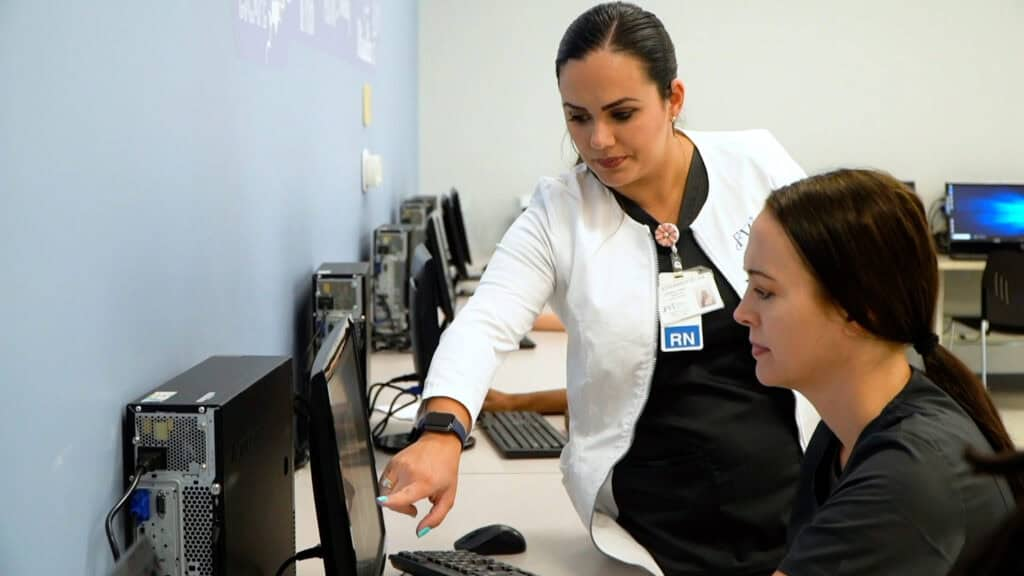
What Is a Telemetry Tech?
A Telemetry Tech (Telemetry Technician) is a healthcare professional responsible for continuously monitoring patients’ heart rhythms using specialized cardiac monitoring equipment. They observe electrocardiogram (ECG/EKG) readings, identify abnormal heart rhythms, document patient data, and immediately notify nurses or physicians of critical changes. Telemetry Techs play an essential role in improving patient safety, particularly in hospitals, cardiac units, intensive care units, and emergency departments.
This career is ideal for individuals interested in healthcare, patient monitoring, and cardiac technology without becoming a physician or registered nurse.
Understanding the Telemetry Tech Role
What Does a Telemetry Technician Do?
Telemetry Technicians monitor electronic cardiac equipment that tracks patients’ heart activity throughout the day.
Their observations help medical teams detect emergencies quickly.
Why Telemetry Matters
Continuous monitoring allows healthcare providers to respond rapidly when patients experience dangerous heart rhythm changes.
Main Responsibilities
Monitor Heart Rhythms
The primary responsibility is observing ECG monitors for abnormal patterns.
Interpret Cardiac Data
Telemetry Techs recognize common cardiac rhythms and identify irregularities.
Notify Medical Staff
Any serious rhythm changes must be reported immediately.
Document Findings
Accurate recordkeeping supports patient care and treatment decisions.
Maintain Equipment
Monitoring devices must function correctly throughout each shift.
Skills Required
Attention to Detail
Small rhythm changes may indicate serious medical conditions.
Communication
Telemetry Techs communicate findings clearly with nurses and physicians.
Critical Thinking
Quick decisions are often required when abnormalities appear.
Computer Skills
Modern monitoring systems rely on digital software.
Time Management
Monitoring multiple patients simultaneously requires strong organizational skills.
Education Requirements
High School Diploma
Most employers require a high school diploma or equivalent.
Telemetry Training Program
Many employers prefer candidates who complete specialized telemetry or ECG training.
ECG Certification
Certification demonstrates competency in cardiac monitoring and rhythm interpretation.
Where Telemetry Techs Work
Hospitals
Most Telemetry Technicians work in hospital cardiac monitoring units.
Intensive Care Units
ICU patients often require continuous monitoring.
Cardiac Care Units
Heart patients benefit from specialized observation.
Emergency Departments
Emergency patients frequently require immediate cardiac monitoring.
Rehabilitation Hospitals
Some rehabilitation facilities monitor recovering cardiac patients.
Daily Work Environment
Monitoring Stations
Most work is performed from centralized monitoring stations.
Collaboration
Telemetry Techs work closely with:
- Registered Nurses
- Physicians
- Cardiologists
- Respiratory Therapists
- Patient Care Technicians
Benefits of Becoming a Telemetry Tech
Strong Healthcare Demand
Healthcare facilities consistently require trained monitoring professionals.
Career Growth
Many Telemetry Techs continue into careers such as:
- Registered Nurse
- Cardiovascular Technologist
- ECG Technician
- Cardiac Sonographer
- Healthcare Management
Meaningful Work
Early detection of heart rhythm abnormalities can significantly improve patient outcomes.
Comparison Table
| Feature | Telemetry Tech | ECG Technician | Patient Care Technician |
|---|---|---|---|
| Cardiac Monitoring | Excellent | Excellent | Limited |
| Direct Patient Care | Moderate | Moderate | High |
| Hospital Employment | Excellent | Good | Excellent |
| Technical Skills | High | High | Moderate |
| Career Advancement | Excellent | Good | Excellent |
Essential Knowledge
Cardiac Rhythms
Telemetry Techs learn to identify:
- Normal sinus rhythm
- Bradycardia
- Tachycardia
- Atrial fibrillation
- Ventricular tachycardia
- Ventricular fibrillation
Medical Terminology
Understanding healthcare language improves communication.
Example Scenario
Monitoring a Hospital Patient
Consider a patient recovering from heart surgery who is connected to a telemetry monitor. During routine observation, a Telemetry Technician notices an unexpected change in the heart rhythm and promptly alerts the nursing staff. The medical team evaluates the patient immediately and adjusts treatment. This illustrates how continuous cardiac monitoring supports timely clinical decisions and patient safety.
Professional Perspective
What Healthcare Employers Value
Healthcare employers generally look for professionals with strong ECG interpretation skills, attention to detail, reliability, effective communication, and the ability to remain calm under pressure. Accuracy and teamwork are essential in cardiac monitoring roles.
Challenges
Long Periods of Monitoring
Concentration must remain high throughout each shift.
Fast-Paced Environment
Critical situations require immediate communication.
Shift Work
Many hospitals operate 24 hours a day.
Tips for Success
- Learn ECG interpretation thoroughly.
- Improve communication skills.
- Stay focused during long monitoring sessions.
- Maintain accurate documentation.
- Continue professional education.
- Practice recognizing cardiac rhythms regularly.
Career Advancement
Advanced Certifications
Additional credentials increase employment opportunities.
Nursing Education
Many professionals transition into nursing careers.
Cardiac Technology
Experience can lead to specialized cardiovascular roles.
Read More: tamildhooms
Is Becoming a Telemetry Tech Worth It?
For individuals interested in healthcare and cardiac monitoring, becoming a Telemetry Tech offers strong job stability, valuable clinical experience, and opportunities for long-term career growth. The role combines technical knowledge with patient safety and serves as an excellent entry point into cardiovascular healthcare.
Pro Tip
Master ECG rhythm recognition early in your career. Strong interpretation skills, combined with clear communication and attention to detail, can improve your performance and make you a valuable member of any cardiac care team.
Frequently Asked Questions
What does a Telemetry Tech do?
A Telemetry Tech monitors patients’ heart rhythms, interprets ECG readings, documents findings, and reports abnormal rhythms to healthcare providers.
How do you become a Telemetry Technician?
Most candidates complete a high school diploma, specialized telemetry or ECG training, and may earn certification depending on employer requirements.
Where do Telemetry Techs work?
They commonly work in hospitals, cardiac units, intensive care units, emergency departments, and rehabilitation centers.
Is being a Telemetry Tech stressful?
The role requires constant attention because patient safety depends on recognizing and reporting abnormal heart rhythms promptly.
Can a Telemetry Tech become a Registered Nurse?
Yes. Many Telemetry Technicians use their clinical experience as a foundation for pursuing nursing or other advanced healthcare careers.