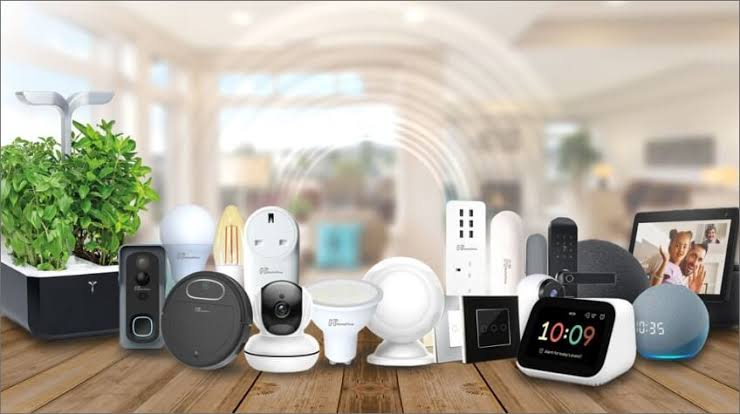
What Are Smart Home Devices?
Smart home devices are internet-connected gadgets that allow you to automate, monitor, and control different parts of your home using a smartphone, tablet, or voice assistant. From smart lights and security cameras to thermostats and smart speakers, these devices improve convenience, security, and energy efficiency.
Whether you’re upgrading a single room or creating a fully connected home, investing in the right smart home devices can simplify daily routines while helping reduce electricity costs and enhance home security.
Why Smart Home Devices Are Becoming Popular
Technology has transformed the way people interact with their homes. Instead of manually switching lights on or adjusting the thermostat, homeowners can now control everything with a simple voice command or mobile app.
Some of the biggest benefits include:
- Remote control from anywhere
- Improved home security
- Lower energy consumption
- Greater convenience
- Home automation
- Voice assistant integration
- Real-time monitoring
As smart technology becomes more affordable, it is becoming a standard feature in modern homes.
Types of Smart Home Devices
Smart Speakers
Smart speakers act as the control center of many smart homes.
Popular features include:
- Voice commands
- Music streaming
- Weather updates
- Smart device control
- Shopping lists
- Calendar reminders
They connect with dozens of compatible smart devices.
Smart Lighting
Smart bulbs and lighting systems allow users to:
- Change brightness
- Schedule lighting
- Adjust colors
- Save energy
- Control lights remotely
Many systems automatically turn lights off when no one is home.
Smart Thermostats
A smart thermostat learns your routine and automatically adjusts temperatures for maximum comfort.
Benefits include:
- Lower electricity bills
- Better temperature control
- Remote management
- Energy usage reports
Many homeowners notice reduced energy costs within months.
Smart Security Cameras
Modern security cameras offer:
- HD video
- Motion detection
- Night vision
- Cloud storage
- Mobile alerts
- Two-way communication
They help homeowners monitor their property anytime.
Smart Door Locks
Instead of traditional keys, smart locks provide:
- PIN access
- Mobile unlocking
- Temporary guest codes
- Activity logs
- Remote locking
These features improve both convenience and security.
Smart Video Doorbells
Video doorbells allow users to:
- See visitors
- Speak remotely
- Receive motion notifications
- Record deliveries
This extra visibility helps prevent package theft.
Comparison Table: Traditional Devices vs Smart Home Devices
| Traditional Devices | Smart Home Devices |
|---|---|
| Manual operation | Smartphone control |
| Limited automation | Full automation |
| Higher energy usage | Energy efficient |
| No remote access | Remote monitoring |
| Basic security | Advanced security features |
| Fixed schedules | AI-based automation |
Key Benefits of Smart Home Devices
Better Home Security
Security remains one of the biggest reasons homeowners invest in smart technology.
Modern systems include:
- Smart locks
- Motion sensors
- Cameras
- Alarm systems
- Window sensors
Together they create multiple layers of protection.
Energy Savings
Smart devices automatically reduce unnecessary electricity usage.
Examples include:
- Turning lights off automatically
- Optimizing heating and cooling
- Managing appliance schedules
Over time, these improvements can significantly reduce utility bills.
Convenience
Imagine arriving home and having:
- Lights turn on automatically
- Doors unlock securely
- Air conditioning adjusted
- Favorite music playing
Automation makes daily life easier.
Remote Home Monitoring
Whether traveling or working, homeowners can monitor:
- Cameras
- Door locks
- Lights
- Thermostats
- Appliances
This provides peace of mind from anywhere.
How to Choose the Right Smart Home Devices
Before purchasing, consider several factors.
Compatibility
Ensure devices work with your preferred ecosystem, such as:
- Voice assistants
- Smartphone platform
- Existing smart devices
Compatibility prevents future connection problems.
Security Features
Choose products offering:
- Data encryption
- Two-factor authentication
- Automatic updates
- Strong privacy settings
Cybersecurity should always be a priority.
Ease of Installation
Many smart home devices are designed for DIY installation.
However, larger systems may require professional setup.
Budget
Start with essential devices like:
- Smart bulbs
- Smart speaker
- Smart plugs
You can gradually expand your system over time.
Common Smart Home Devices Every Home Should Have
A beginner-friendly smart home setup includes:
- Smart speaker
- Smart lighting
- Smart thermostat
- Smart security camera
- Video doorbell
- Smart plugs
- Robot vacuum
- Smart smoke detector
- Smart door lock
- Smart sensors
These devices offer the greatest value for most households.
Personal Experience
Humne dekha hai that homeowners often start with just one smart speaker. Within a few months, many expand to smart lights, cameras, and thermostats because they experience noticeable improvements in convenience and security.
In one home installation, simply automating outdoor lighting reduced unnecessary overnight energy usage while improving nighttime safety. Small upgrades often deliver surprisingly significant benefits.
Real-World Case Study
A family frequently forgot to lock their front door while leaving for work.
After installing a smart door lock and connecting it with their smartphone, they began receiving instant notifications whenever the door remained unlocked.
Within weeks, they developed safer habits and gained confidence knowing they could remotely secure their home if needed.
Expert ki rai yeh hai that combining smart locks with security cameras creates one of the most effective home protection systems available today.
Common Mistakes When Buying Smart Home Devices
Avoid these common errors:
- Buying incompatible devices
- Ignoring security settings
- Using weak Wi-Fi passwords
- Skipping firmware updates
- Purchasing low-quality products
- Forgetting backup power options
- Overcomplicating automation
Planning your smart home carefully saves money and prevents frustration.
Future of Smart Home Technology
Smart homes continue to evolve rapidly.
Artificial Intelligence
AI will increasingly learn household routines and automate tasks without user input.
Matter Standard
Universal compatibility standards are making devices easier to connect across different brands.
Improved Energy Management
Future systems will optimize electricity consumption automatically based on usage patterns.
Better Home Security
AI-powered cameras can distinguish between people, pets, vehicles, and unusual activity with greater accuracy.
Smart Home Safety Tips
To keep your smart home secure:
- Use strong passwords
- Enable two-factor authentication
- Update firmware regularly
- Secure your Wi-Fi network
- Review privacy permissions
- Buy trusted brands
- Backup important settings
Good cybersecurity is just as important as smart automation.
Read More: tamildhooms
Pro Tip
Start small and expand gradually. Begin with one or two essential smart home devices, such as a smart speaker and smart lighting system. Once you’re comfortable with automation, add security cameras, smart locks, thermostats, and sensors. Choosing compatible devices from the beginning creates a smoother, more reliable smart home experience.
Frequently Asked Questions (FAQs)
1. What are smart home devices?
Smart home devices are internet-connected products that allow users to remotely control lighting, security, appliances, heating, and other household systems through mobile apps or voice assistants.
2. Are smart home devices worth buying?
Yes. They improve convenience, enhance security, reduce energy costs, and automate many everyday household tasks.
3. Do smart home devices require Wi-Fi?
Most smart home devices rely on a stable Wi-Fi connection, although some use Bluetooth, Zigbee, Thread, or other wireless technologies.
4. Can smart home devices save electricity?
Yes. Smart thermostats, lighting systems, and smart plugs automatically reduce unnecessary power consumption, helping lower energy bills.
5. Are smart home devices secure?
They are generally secure when users enable strong passwords, two-factor authentication, keep firmware updated, and purchase products from reputable manufacturers.