What Is the Internet of Things?
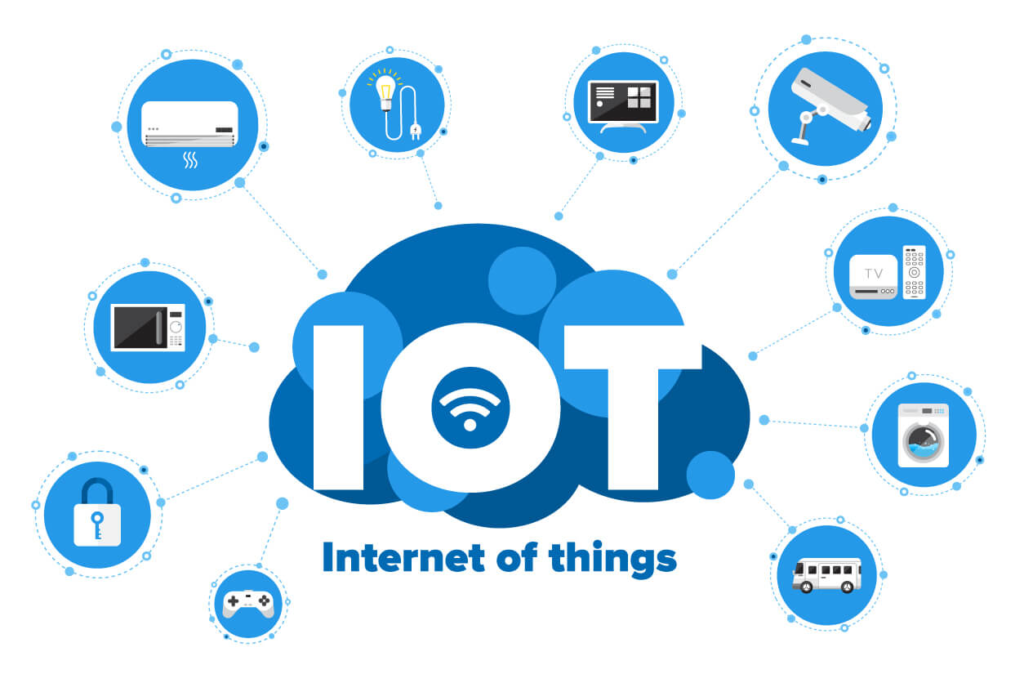
The Internet of Things (IoT) is a network of physical devices connected to the internet that can collect, exchange, and analyze data without requiring constant human intervention. These devices include smart home gadgets, wearable fitness trackers, industrial machines, connected vehicles, healthcare equipment, and agricultural sensors. By using sensors, software, and cloud computing, IoT helps improve efficiency, automation, and decision-making across industries.
Today, IoT is transforming the way people live and businesses operate. Whether it’s controlling your home’s lighting with a smartphone or monitoring factory equipment in real time, IoT has become one of the most important technologies driving digital transformation.
Why the Internet of Things Matters in 2026
The world is becoming more connected every year. Businesses are investing heavily in IoT solutions because they reduce costs, improve productivity, and provide valuable insights through real-time data.
Some key reasons IoT is important include:
- Improved automation
- Real-time monitoring
- Better customer experiences
- Predictive maintenance
- Higher operational efficiency
- Reduced energy consumption
- Data-driven business decisions
As artificial intelligence (AI), cloud computing, and 5G continue to evolve, IoT devices are becoming faster, smarter, and more reliable.
How Does the Internet of Things Work?
The Internet of Things operates through a combination of connected technologies.
1. Smart Devices
IoT devices include sensors, cameras, GPS trackers, thermostats, wearables, and industrial equipment.
2. Data Collection
Sensors continuously collect information such as:
- Temperature
- Motion
- Location
- Humidity
- Energy usage
- Machine performance
3. Internet Connectivity
The collected information is transmitted using Wi-Fi, Bluetooth, 5G, Zigbee, or other communication technologies.
4. Cloud Processing
The data is stored and analyzed in cloud platforms where businesses gain meaningful insights.
5. User Action
Users receive notifications or remotely control devices through mobile applications or dashboards.
Main Components of IoT
A complete IoT ecosystem consists of several essential components.
Sensors and Devices
These gather information from the surrounding environment.
Connectivity
Networks transfer collected information to cloud servers.
Data Processing
Cloud platforms process millions of data points every second.
User Interface
Applications allow users to monitor devices and control operations remotely.
Types of Internet of Things
Consumer IoT
Consumer IoT includes smart devices used in homes and daily life.
Examples:
- Smart TVs
- Smart speakers
- Fitness trackers
- Smart watches
- Robot vacuum cleaners
Industrial IoT (IIoT)
Industrial IoT focuses on manufacturing and production.
Examples:
- Factory automation
- Machine monitoring
- Predictive maintenance
- Supply chain optimization
Healthcare IoT
Hospitals use IoT for patient monitoring and remote healthcare services.
Examples include:
- Heart rate monitors
- Smart insulin pumps
- Connected ECG devices
- Wearable health trackers
Agricultural IoT
Modern farming depends increasingly on IoT.
Applications include:
- Smart irrigation
- Soil moisture sensors
- Livestock tracking
- Weather monitoring
Internet of Things Applications
IoT is changing almost every industry.
Smart Homes
Smart homes allow users to control:
- Lights
- Security cameras
- Air conditioners
- Door locks
- Thermostats
through smartphones from anywhere.
Healthcare
Doctors monitor patients remotely using wearable devices that send real-time health data.
Manufacturing
Factories use IoT sensors to detect equipment failures before they occur.
Transportation
Connected vehicles provide:
- GPS navigation
- Fuel monitoring
- Fleet management
- Driver safety alerts
Retail
Retailers use IoT for:
- Inventory management
- Customer analytics
- Smart shelves
- Cashier-less shopping
Internet of Things vs Traditional Devices
| Feature | Internet of Things | Traditional Devices |
|---|---|---|
| Internet Connection | Yes | Usually No |
| Automation | High | Low |
| Real-Time Monitoring | Yes | Limited |
| Remote Access | Available | Not Available |
| Data Collection | Continuous | Manual |
| Predictive Analytics | Yes | No |
Advantages of the Internet of Things
Businesses and consumers benefit from IoT in many ways.
Increased Efficiency
Automation reduces repetitive work and improves productivity.
Better Decision Making
Real-time analytics help organizations make informed decisions.
Cost Savings
Predictive maintenance reduces expensive equipment failures.
Improved Safety
Connected sensors detect hazards before they become serious.
Better Customer Experience
Personalized services improve user satisfaction.
Challenges of IoT
Although IoT offers many benefits, it also presents several challenges.
Security Risks
Connected devices are common targets for cyberattacks if not properly secured.
Privacy Concerns
Large amounts of personal data require strong privacy protection.
Device Compatibility
Different manufacturers often use different communication standards.
High Initial Investment
Deploying enterprise IoT systems can require significant upfront costs.
Data Management
Millions of connected devices generate enormous volumes of data that must be processed efficiently.
IoT Security Best Practices
Protecting connected devices is essential.
Recommended practices include:
- Use strong passwords
- Enable multi-factor authentication
- Update firmware regularly
- Encrypt sensitive data
- Monitor network traffic
- Restrict device access
- Use secure cloud platforms
Personal Experience
Humne dekha hai ke small businesses jab smart energy monitoring systems install karte hain to unki monthly electricity costs gradually reduce ho jati hain. Ek office environment mein connected lighting aur automated air conditioning schedule ki wajah se unnecessary energy consumption significantly kam hui.
Isi tarah smart security cameras ne remote monitoring ko kaafi easy bana diya. Owners travel ke dauran bhi mobile app se live footage dekh sakte hain aur instant alerts receive karte hain.
Expert Opinion
Expert ki rai yeh hai ke IoT ki real value sirf connected devices mein nahi, balki collected data ko meaningful insights mein convert karne mein hai. Organizations jo AI, cloud computing aur IoT ko combine karti hain, wo faster decisions leti hain aur operational efficiency ko improve karti hain.
Experts predict ke agle kuch saalon mein Edge Computing aur 5G IoT deployments ko aur bhi powerful bana denge.
Real-World Case Study
Ek manufacturing company ko production line mein baar baar machine breakdown ka issue face karna pad raha tha.
Company ne IoT sensors install kiye jo vibration, temperature aur motor performance continuously monitor karte the.
Results:
- Unexpected downtime reduce hua.
- Maintenance costs kam hui.
- Production efficiency improve hui.
- Equipment lifespan increase hua.
- Overall productivity significantly better hui.
Ye example dikhata hai ke predictive maintenance business profitability ko directly impact kar sakti hai.
Future of the Internet of Things
The future of IoT looks extremely promising.
Emerging trends include:
AI-Powered IoT
Artificial intelligence will automate smarter decision-making.
Edge Computing
Processing data closer to devices will reduce latency.
Smart Cities
Governments will use IoT for:
- Traffic management
- Waste collection
- Smart parking
- Public safety
- Environmental monitoring
Connected Healthcare
Remote patient monitoring will become even more accurate and affordable.
Autonomous Vehicles
Self-driving vehicles will rely heavily on IoT sensors and real-time communication.
Read More: tamildhooms
Best Practices for Businesses Adopting IoT
Organizations planning IoT implementation should:
- Define clear business objectives.
- Start with small pilot projects.
- Choose scalable IoT platforms.
- Prioritize cybersecurity.
- Train employees.
- Monitor performance continuously.
- Analyze collected data regularly.
Pro-Tip
Don’t deploy IoT devices simply because they are modern. Start with solving one specific business problem—such as reducing energy costs, improving equipment maintenance, or enhancing customer service. Once measurable results are achieved, scale your IoT ecosystem gradually. This approach minimizes risks while maximizing return on investment.
Frequently Asked Questions (FAQs)
What is the Internet of Things in simple words?
The Internet of Things (IoT) is a network of internet-connected devices that collect and share data to automate tasks and improve efficiency.
How is IoT different from the Internet?
The internet connects people and computers, while IoT connects physical devices like sensors, appliances, vehicles, and machines.
Is IoT secure?
IoT can be secure when organizations use encryption, strong authentication, regular software updates, and proper cybersecurity practices.
What industries use IoT the most?
Healthcare, manufacturing, agriculture, transportation, retail, logistics, smart homes, and energy sectors are among the biggest adopters of IoT.
What is the future of the Internet of Things?
The future includes AI-powered automation, Edge Computing, 5G connectivity, smart cities, autonomous vehicles, and advanced industrial automation, making IoT one of the most influential technologies of the coming decade.