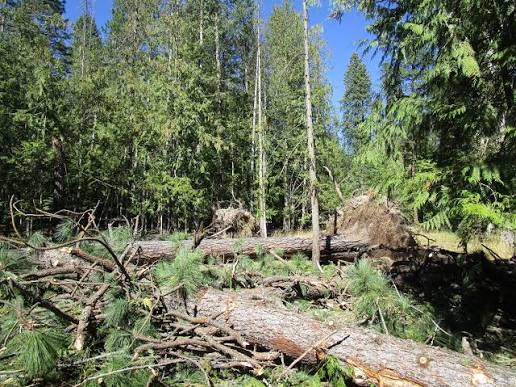
Direct Answer
A dead tree is no longer living and cannot recover, while a hazardous tree may still be alive but has structural defects that make it likely to fail and cause damage or injury. For homeowners in Kalamazoo, MI, understanding the difference is essential because severe weather, heavy snow, strong winds, and seasonal storms can quickly turn a damaged tree into a safety risk. Knowing when to monitor, prune, or remove a tree helps protect your family, home, and property value.
Why Tree Safety Matters in Kalamazoo, MI
Kalamazoo experiences all four seasons, bringing everything from heavy snowfall to summer thunderstorms. These changing weather conditions put significant stress on trees.
A weakened tree can:
- Fall onto your home or garage
- Damage vehicles or power lines
- Block driveways and sidewalks
- Injure family members or neighbors
- Increase liability if ignored
Many homeowners assume only dead trees are dangerous. In reality, living trees with structural defects often pose an even greater hazard.
Dead Tree vs. Hazardous Tree: Understanding the Difference
| Feature | Dead Tree | Hazardous Tree |
|---|---|---|
| Living Tissue | No | Usually Yes |
| Can Recover? | No | Sometimes |
| Safety Risk | High | Moderate to Very High |
| Requires Removal? | Almost Always | Depends on Inspection |
| Common Cause | Disease, age, pests | Weak branches, root damage, decay, storm damage |
The biggest misconception is believing a green tree is automatically safe. A tree with hidden decay may fail without warning.
Signs That a Tree Is Dead
Dead trees usually show several obvious symptoms.
No Leaves During the Growing Season
If surrounding trees have healthy foliage but one remains bare throughout spring and summer, it may be dead.
Brittle Branches
Dead branches snap easily instead of bending.
Peeling Bark
Large sections of bark falling away often indicate the tree has stopped growing.
Dry Wood
When small branches break, the inside appears dry instead of green.
Fungal Growth
Large mushrooms growing around the trunk or roots may indicate advanced decay.
What Makes a Tree Hazardous?
A hazardous tree isn’t necessarily dead.
Instead, it has defects that increase the likelihood of failure.
Examples include:
- Large cracked limbs
- Split trunks
- Hollow sections
- Leaning after storms
- Root damage from construction
- Severe insect infestation
- Weak branch attachments
- Internal decay
Some hazardous trees look perfectly healthy from a distance, making professional inspections especially valuable.
Common Causes of Hazardous Trees
Storm Damage
Michigan storms frequently break large limbs.
Even if the tree survives, structural weakness may remain.
Root Problems
Roots anchor the tree.
Construction, soil compaction, flooding, or excavation can weaken the root system.
Disease
Diseases slowly weaken wood strength.
By the time symptoms appear, internal damage may already be extensive.
Pest Infestations
Wood-boring insects attack stressed trees, reducing structural stability.
Warning Signs Every Homeowner Should Watch For
Look for these warning signs throughout the year:
- Large dead branches
- Deep trunk cracks
- Cavities in the trunk
- Leaning trees
- Exposed roots
- Mushrooms around the base
- Hanging limbs
- Fresh sawdust from insects
- Bark falling off
- Soil lifting near roots
One warning sign doesn’t always require removal, but multiple issues deserve immediate attention.
Personal Experience: A Preventable Storm Disaster
We’ve seen homeowners delay tree inspections because a tree still looked green. After a strong summer storm, one large maple split down the middle and crushed part of a detached garage.
An inspection afterward revealed extensive internal decay that wasn’t visible externally.
The repair costs far exceeded what preventive tree removal would have cost. This experience highlights why appearance alone isn’t enough to judge tree safety.
Case Study: Early Inspection Saved Thousands
A Kalamazoo homeowner noticed a slight lean in an old oak after heavy rain.
Instead of waiting, they requested a professional assessment.
Experts discovered root decay caused by years of excess moisture.
Because the issue was identified early, the hazardous tree was removed before winter storms arrived.
The homeowner avoided expensive roof repairs, insurance claims, and potential injuries.
How Professionals Evaluate Tree Risk
Certified arborists evaluate much more than visible damage.
Their inspection often includes:
Tree Structure
They check the trunk, limbs, branch unions, and overall balance.
Root Health
Healthy roots are critical for stability.
Signs of Decay
Specialized tools may detect internal cavities that homeowners cannot see.
Tree Location
Even a damaged tree in an open field presents less risk than one growing next to a house.
Should You Remove or Save the Tree?
Not every hazardous tree requires removal.
In many situations, corrective pruning or cabling may improve safety.
Removal is often recommended when:
- The tree is completely dead
- Major trunk decay exists
- Root failure is severe
- Large cracks threaten collapse
- The tree leans significantly
- Storm damage is beyond repair
Professional guidance helps determine the safest solution.
Preventing Tree Hazards Before They Become Emergencies
Preventive care is usually less expensive than emergency removal.
Homeowners should:
- Schedule regular inspections
- Remove dead branches promptly
- Water young trees during drought
- Avoid damaging roots during landscaping
- Watch for disease symptoms
- Trim overextended limbs
- Monitor trees after severe storms
Routine maintenance greatly reduces future risks.
Seasonal Tree Care Tips for Kalamazoo Homeowners
Spring
Inspect for winter damage and broken branches.
Summer
Look for insect activity, leaf discoloration, and drought stress.
Fall
Remove weak limbs before snow season.
Winter
Watch for heavy snow accumulation that increases branch failure risk.
Seasonal inspections help identify problems before they become dangerous.
Insurance and Property Liability
Ignoring a hazardous tree may create financial consequences.
If a visibly dangerous tree causes preventable damage, homeowners could face:
- Property repair expenses
- Insurance complications
- Neighbor disputes
- Personal injury liability
Documenting regular inspections demonstrates responsible property maintenance.
When to Call a Professional Immediately
Seek expert help if you notice:
- A tree leaning suddenly
- Large branches hanging overhead
- Cracks after a storm
- Roots lifting from the ground
- Trees touching power lines
- Significant trunk decay
Emergency situations should never be handled without trained professionals.
Expert Opinion
Tree risk assessment combines biology, structural engineering, and years of field experience. Many serious defects develop inside the trunk where they cannot be seen from the ground.
Experts generally recommend annual inspections for mature trees and immediate evaluations after major storms. Early action almost always costs less than emergency cleanup.
Read More: tamildhooms
Pro-Tip
Don’t wait until a tree becomes obviously dead. A living tree with hidden structural damage may be far more dangerous. Schedule inspections after major storms, monitor mature trees yearly, and address warning signs early to protect your home and avoid costly emergency removals.
Frequently Asked Questions
Can a green tree still be hazardous?
Yes. A tree may appear healthy while hiding internal decay, root damage, or structural weaknesses that make it unsafe.
Should every dead tree be removed?
Most dead trees should be removed because they become brittle over time and are much more likely to fall.
How often should homeowners inspect trees?
A visual inspection every season is helpful, with a professional assessment at least once a year or after severe storms.
Is a leaning tree always dangerous?
Not necessarily. Some trees naturally lean, but a sudden or increasing lean often indicates root failure and should be evaluated immediately.
What’s the biggest difference between a dead and hazardous tree?
A dead tree cannot recover and usually requires removal, while a hazardous tree may still be alive but has defects that increase the risk of falling or dropping large branches.