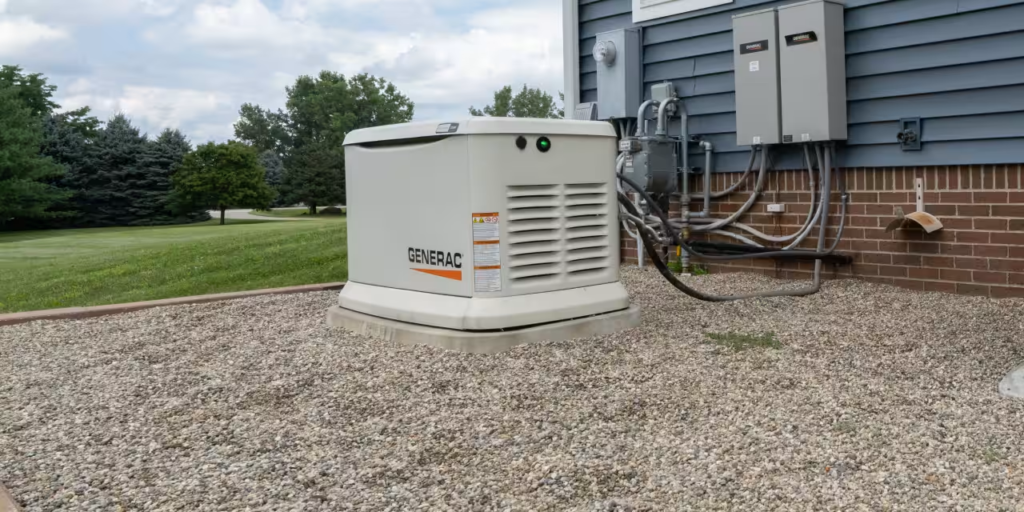
Backup generator installation is one of the smartest investments Suffolk County businesses can make to protect operations during power outages. Whether you own a retail store, medical clinic, restaurant, office, or manufacturing facility, a professionally installed backup generator keeps critical equipment running, prevents revenue loss, protects customer service, and minimizes downtime. The key to success is selecting the right generator size, following local electrical codes, and working with experienced professionals who understand commercial power requirements. Businesses that prepare before an outage recover faster and maintain customer confidence.
Why Backup Generators Matter for Suffolk County Businesses
Power outages can happen unexpectedly due to severe storms, hurricanes, heavy snowfall, equipment failures, or utility maintenance. Even a short interruption can affect computers, security systems, refrigeration, payment processing, and communication networks.
For businesses in Suffolk County, uninterrupted power is more than convenience—it is essential for maintaining productivity and protecting valuable assets.
Some industries that benefit the most include:
- Healthcare facilities
- Restaurants and food businesses
- Retail stores
- Office buildings
- Warehouses
- Manufacturing companies
- Hotels
- Data centers
Without backup power, many businesses lose both revenue and customer trust.
How a Commercial Backup Generator Works
A backup generator automatically detects when utility power fails. Within seconds, an automatic transfer switch disconnects the building from the electrical grid and starts the generator.
Once utility power returns, the transfer switch safely reconnects the building to the main electrical supply while shutting the generator down.
This automatic process allows businesses to continue operating with minimal disruption.
Benefits of Backup Generator Installation
Installing a commercial generator offers several long-term advantages.
Some of the most important benefits include:
- Business continuity during outages
- Protection of expensive equipment
- Reduced financial losses
- Improved employee safety
- Better customer experience
- Protection of refrigerated inventory
- Reliable operation of security systems
- Compliance with emergency preparedness plans
Instead of reacting to emergencies, businesses become prepared before problems occur.
Choosing the Right Generator Size
Every business has different power requirements. Selecting the correct generator depends on the total electrical load.
Small Businesses
Retail stores, offices, and small restaurants often require moderate-capacity generators that can support lighting, internet, refrigeration, and point-of-sale systems.
Medium Businesses
Medical offices, warehouses, and larger restaurants usually require additional capacity for HVAC systems and specialized equipment.
Large Commercial Facilities
Manufacturing plants and industrial buildings often need high-capacity standby generators capable of supporting critical operations for extended periods.
A professional electrical load calculation ensures the generator is neither undersized nor oversized.
Backup Generator Types
Businesses generally choose between several generator options.
Diesel Generators
Diesel generators are known for durability, fuel efficiency, and long operating life.
Advantages
- Excellent for heavy commercial use
- Reliable during long outages
- Lower fuel consumption under load
Natural Gas Generators
Natural gas generators connect directly to utility gas lines.
Advantages
- Continuous fuel supply
- Lower maintenance
- Cleaner emissions
- Quiet operation
Propane Generators
Propane systems provide flexibility where natural gas is unavailable.
They are commonly selected for remote commercial properties.
Comparison Table
| Feature | Diesel | Natural Gas | Propane |
|---|---|---|---|
| Fuel Availability | Stored On-Site | Utility Line | Storage Tank |
| Maintenance | Moderate | Low | Moderate |
| Long Outages | Excellent | Very Good | Good |
| Noise Level | Moderate | Low | Moderate |
| Initial Cost | Medium | Medium | Medium |
| Best For | Industrial Facilities | Offices & Retail | Remote Locations |
Commercial Installation Process
Professional installation follows several important steps.
Site Assessment
Electrical contractors inspect the building, determine power requirements, and recommend an appropriate generator.
Permit Approval
Commercial installations often require permits and inspections to ensure compliance with local electrical regulations.
Concrete Pad Installation
The generator is placed on a stable foundation designed to support its weight and minimize vibration.
Electrical Connection
Licensed electricians connect the generator to the automatic transfer switch and the building’s electrical system.
System Testing
Before the project is completed, technicians simulate a power outage to verify proper operation.
Factors That Affect Installation Costs
Several factors influence the total installation investment.
These include:
- Generator size
- Fuel type
- Transfer switch requirements
- Electrical upgrades
- Site preparation
- Concrete foundation
- Fuel storage
- Permit fees
- Labor costs
Although installation requires an upfront investment, many businesses recover the cost by avoiding downtime during major outages.
Personal Experience
In many commercial projects, we have observed that businesses often underestimate the financial impact of even a one-hour power outage. A restaurant may lose refrigerated inventory, while a retail store can experience interrupted sales and payment processing.
Businesses that invested in standby generators before severe weather consistently recovered faster than those relying on temporary portable units. Planning ahead proved far less expensive than dealing with emergency repairs and lost revenue.
Case Study
A Suffolk County distribution warehouse experienced repeated storm-related outages that interrupted shipping operations and delayed customer deliveries.
After installing a commercial natural gas standby generator with an automatic transfer switch, the facility continued operating during the following storm season without significant downtime.
The company reported improved employee productivity, uninterrupted warehouse operations, and increased customer satisfaction because orders continued shipping despite utility power failures.
This example demonstrates how backup power supports both operational efficiency and customer confidence.
Maintenance Requirements
Installing a generator is only the beginning. Regular maintenance ensures dependable performance when emergencies occur.
Recommended maintenance includes:
- Monthly inspection
- Battery testing
- Oil changes
- Fuel system inspection
- Air filter replacement
- Coolant checks
- Automatic transfer switch testing
- Annual professional servicing
Routine maintenance extends equipment life while reducing the chance of unexpected failures.
Common Mistakes Businesses Should Avoid
Many businesses make avoidable mistakes during generator selection and installation.
Common examples include:
- Purchasing an undersized generator
- Ignoring future expansion plans
- Skipping routine maintenance
- Choosing inexperienced installers
- Delaying permit approvals
- Failing to test the generator regularly
Avoiding these mistakes improves long-term reliability.
Future Trends in Commercial Backup Power
Backup power technology continues evolving rapidly.
Businesses are increasingly adopting:
- Smart remote monitoring
- Mobile maintenance alerts
- Hybrid battery backup systems
- Energy-efficient generators
- Lower-emission engines
- Automatic performance diagnostics
These innovations help reduce operating costs while improving system reliability.
Read More: tamildhooms
Pro Tip
Do not size your backup generator only for today’s electrical needs. Consider future business growth, additional equipment, expanded office space, and higher power demands. Installing slightly more capacity today is often less expensive than replacing an undersized generator later.
Frequently Asked Questions
How long does commercial backup generator installation take?
Most installations are completed within several days, although permitting and inspections may extend the overall project timeline.
Which fuel type is best for Suffolk County businesses?
Natural gas is often preferred where utility service is available, while diesel remains an excellent choice for industrial facilities requiring long runtime.
Do commercial generators start automatically?
Yes. Standby generators use an automatic transfer switch that starts the generator within seconds after detecting a power outage.
How often should a commercial generator be serviced?
Most manufacturers recommend professional servicing at least once a year, along with regular monthly inspections and testing.
Is a backup generator worth the investment?
For most Suffolk County businesses, backup generator installation provides valuable protection against downtime, lost revenue, damaged inventory, and operational disruptions. A professionally installed standby generator ensures business continuity, protects critical equipment, and gives both employees and customers confidence that operations will continue even during unexpected power outages.